

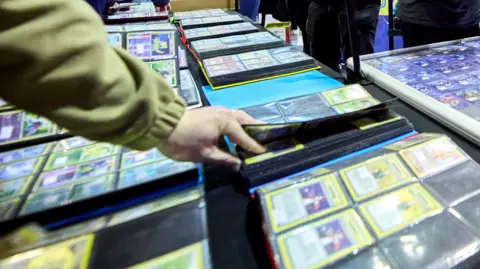
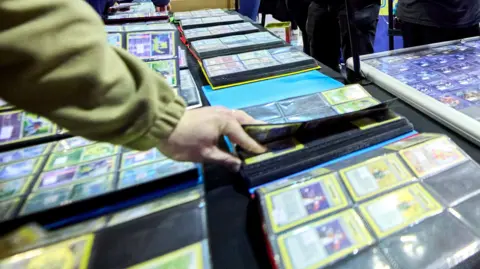
In recent years, interest in collectible trading events has grown rapidly, especially among sports fans and hobby collectors searching for “card shows near me.” These events are now considered one of the most active community-driven marketplaces where collectors meet to buy, sell, and trade sports cards, Pokémon cards, and other trading card game items in a shared physical space.
A card show is generally a scheduled gathering where vendors and collectors come together under one roof. These events often feature a mix of vintage sports cards, modern trading card game releases, and limited-edition collectibles. Many attendees describe them as an interactive marketplace rather than a traditional retail environment, with real-time negotiations and direct exchanges between buyers and sellers.
One of the most important trends seen in recent data is the increasing diversity of attendees. Card shows are no longer limited to experienced collectors. Beginners, families, and casual hobbyists now attend regularly, creating a more inclusive environment. Reports from multiple event listings show that regional shows often include dozens of vendors, while larger conventions can host hundreds, offering everything from rare graded cards to sealed booster packs and memorabilia items.
Another key insight is the rise of localized search interest. Queries like “card shows near me” have increased significantly as collectors prefer attending nearby events rather than relying solely on online marketplaces. This shift is driven by the value of in-person inspection, where buyers can examine card condition, authenticity, and grading quality before making a purchase. Many collectors also prefer face-to-face negotiation, which can often lead to better deals or unique trade opportunities.
The structure of these events is also evolving. Modern card shows frequently include dedicated trading zones, vendor booths, and interactive sessions. Some even offer on-site grading services, allowing collectors to submit valuable cards for authentication during the event itself. These added features enhance trust and improve the overall collecting experience.
Sports card shows remain one of the most popular categories, especially for baseball, basketball, football, and hockey enthusiasts. At the same time, Pokémon and other trading card games have significantly expanded their presence, often attracting younger audiences and new collectors entering the hobby. This blend of sports and gaming culture has contributed to the sustained growth of these events across different regions.
Accessibility is another major advantage. Many card shows are held in community centers, hotels, exhibition halls, and sports arenas, making them easy to reach for local visitors. Entry is often affordable or even free, depending on the size of the event, which further encourages participation from a wide audience.
From a social perspective, card shows also serve as networking hubs. Collectors often connect with vendors, join trading communities, and discover rare items that are not easily available online. This social interaction is one of the strongest reasons these events continue to grow despite the rise of digital marketplaces.
In conclusion, card shows near your location represent more than just buying and selling opportunities. They are dynamic community events that combine commerce, hobby culture, and social interaction. With increasing participation, diverse collectibles, and improved accessibility, these events continue to strengthen their position as a central part of the modern collecting ecosystem.








Recent Comments